How Notification Systems Align Promotional Incentives with Live Athletic Data Streams in Integrated Wagering Platforms
Jordan Braun · Sep 7, 2026
How Notification Systems Align Promotional Incentives with Live Athletic Data Streams in Integrated Wagering Platforms
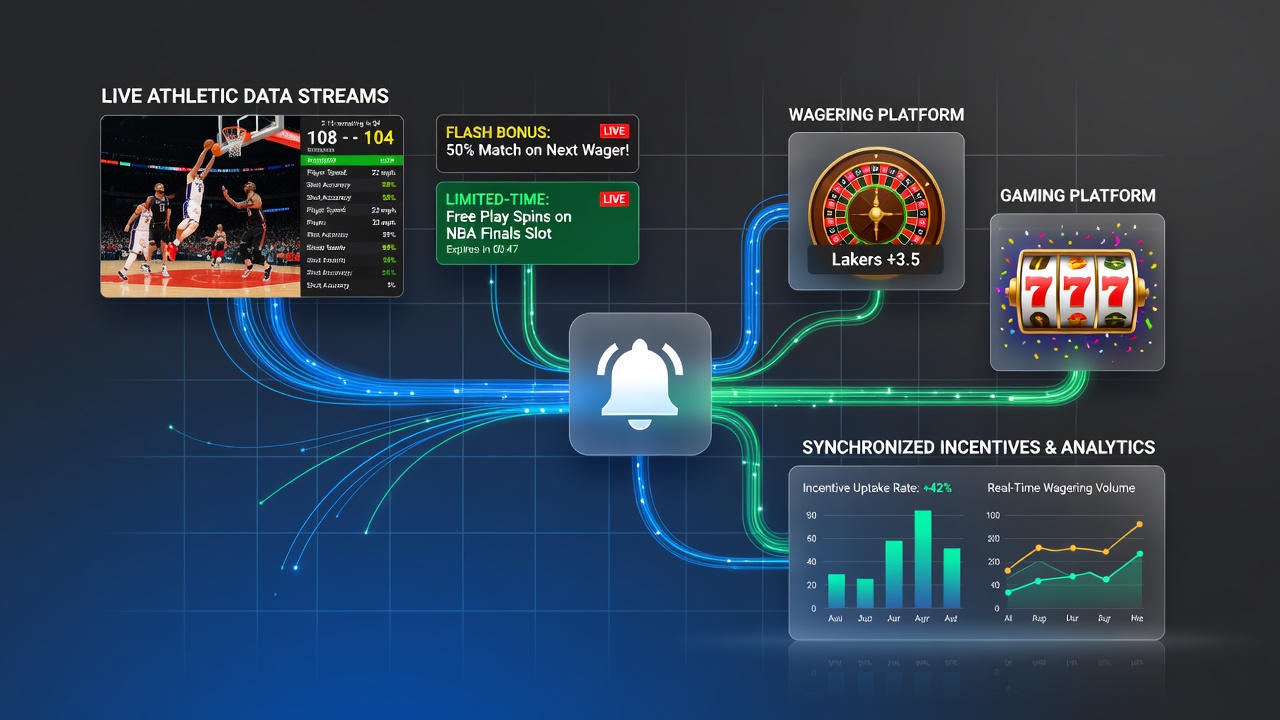
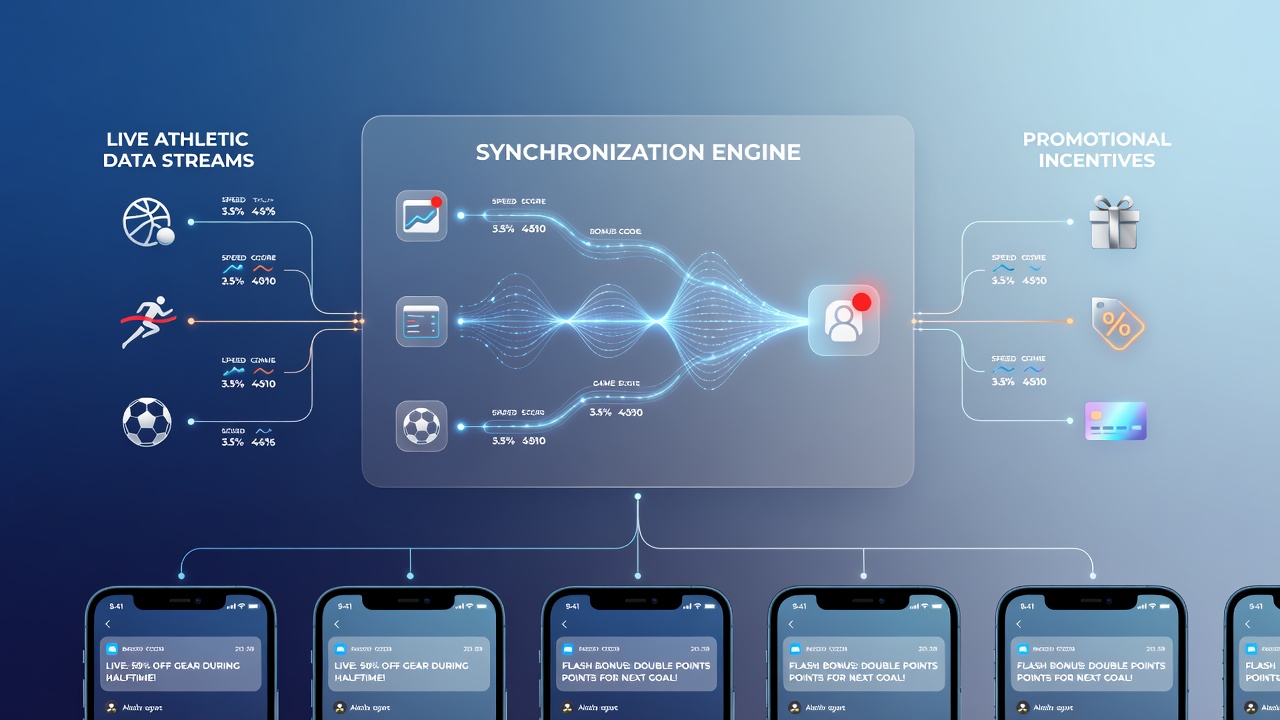
Integrated wagering platforms rely on notification systems that pull continuous updates from athletic data streams to trigger targeted promotional incentives, and these setups operate through direct API connections between sports data providers and backend servers that manage user accounts. Real-time feeds deliver metrics such as scores, player statistics, and game events within seconds of occurrence, which algorithms then compare against predefined rules for bonus eligibility. When a match condition activates, the system generates a push notification or in-app alert that appears on the user's device with an offer adjusted to the current context, such as increased odds or a deposit match tied to that specific moment.
Data Stream Integration and Processing
Live athletic data arrives from multiple sources including official league APIs and third-party aggregators, which platforms normalize into standardized formats for quick analysis. Processing engines evaluate incoming packets against promotional parameters stored in user profiles, factoring in variables like betting history and account balance before deciding whether to issue an incentive. In September 2026, several major operators expanded these pipelines to handle higher volumes during international tournaments, resulting in notification delivery times that average under three seconds from data receipt to user alert.
Algorithms apply filters to prevent duplicate offers and ensure compliance with jurisdictional limits on bonus frequency, while also routing the notification through channels that match user preferences for delivery method and timing. Observers note that platforms maintain redundant data paths to avoid interruptions, so even during peak traffic periods the synchronization between stream and promotion remains consistent across desktop and mobile interfaces.
Notification Delivery Mechanisms
Once a qualifying event registers in the data stream, the notification engine assembles a personalized message that includes the incentive details along with a direct link to the relevant betting market or casino game section. These messages often incorporate dynamic elements such as countdown timers or remaining bonus quantities drawn from inventory databases that update in tandem with the athletic feed. Delivery occurs through operating system push services or WebSocket connections that keep the app interface synchronized without requiring manual refresh.
Platforms segment user groups based on activity patterns, allowing the system to prioritize certain cohorts for specific promotions when live conditions align with campaign goals. Data from industry reports shows that click-through rates on these synchronized alerts exceed those of static notifications by measurable margins, which encourages continued investment in tighter integration between data pipelines and marketing automation tools.
Cross-Platform Synchronization Across Wagering and Gaming Environments
Integrated systems extend the same notification logic from sportsbooks into casino and virtual gaming modules, where live athletic events can influence bonus pools or free spin allocations in connected titles. When a goal occurs in a streamed match, for example, the platform may simultaneously credit loyalty points usable in slot games or trigger a multiplier on table game wagers for users who have opted into cross-product alerts. This linkage relies on shared user identity layers and unified event buses that broadcast data changes to all participating modules without latency gaps.
Regulatory frameworks in various regions require audit trails for these automated processes, so operators log every data point, rule evaluation, and notification dispatch in immutable records accessible to oversight bodies. The Pennsylvania Gaming Control Board publishes periodic summaries of such technical standards, and similar documentation appears from authorities in other jurisdictions that license multi-product platforms. Those who manage these environments often reference reports from the American Gaming Association that track adoption rates of real-time promotional tools across U.S. states.
Technical and Operational Considerations
Scalability demands that notification systems handle simultaneous triggers across thousands of concurrent events without degrading performance, which engineers achieve through distributed computing clusters and message queuing services. Error handling routines detect feed anomalies or mismatched data formats and pause incentive issuance until verification completes, protecting both operators and users from erroneous promotions. Testing protocols include simulated live streams that replicate peak conditions observed during major athletic calendars, allowing teams to refine synchronization logic before deployment.
Security measures encrypt data in transit between sources and platforms while also authenticating each notification request to prevent external interference. User consent records govern whether an individual receives alerts tied to specific sports or event types, and the system respects opt-out settings by filtering those profiles out of the distribution list before any incentive activates.
Conclusion
Notification systems that synchronize promotional incentives with live athletic data streams form a core operational layer within modern integrated wagering and gaming platforms, connecting real-time information flows to user-facing offers through automated rule engines and delivery pathways. Continued refinements in processing speed, segmentation accuracy, and cross-product linkage support the expansion of these capabilities as athletic calendars and regulatory environments evolve through 2026 and beyond.