Prediction Markets Draw Record Betting Volume Ahead of 2026 Midterm Contests
Jordan Braun · Aug 4, 2026
Prediction Markets Draw Record Betting Volume Ahead of 2026 Midterm Contests
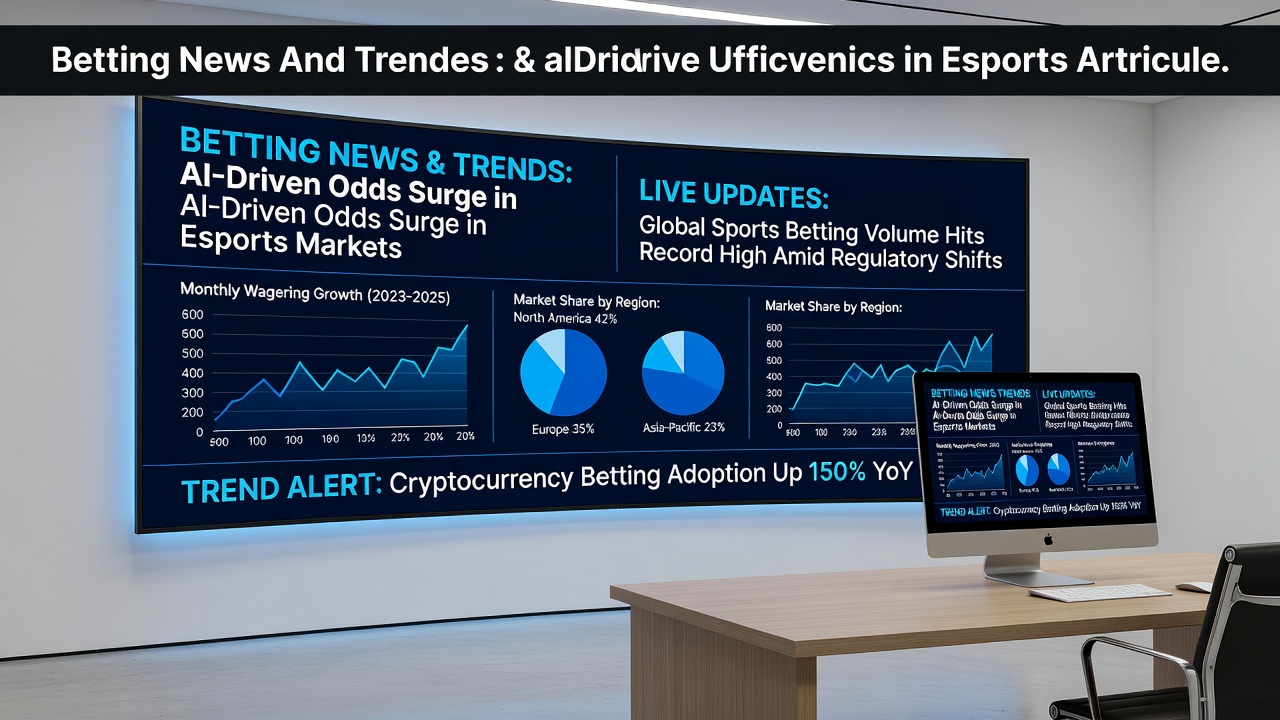
Data from recent tracking efforts shows bettors have directed more than $72 million into contracts tied to 2026 U.S. midterm races across multiple platforms, with Kalshi and Polymarket handling the largest share of that activity as the cycle advances into its final months.
These platforms allow users to buy and sell shares that pay out based on specific electoral outcomes, and the volume has grown steadily since early summer as candidates finalize positions and state-level polling stabilizes. Observers note that the contracts cover both Senate and House races in key battlegrounds, while some markets focus on broader control of Congress.
Platform Mechanics and Market Growth
Kalshi operates as a regulated prediction market under the Commodity Futures Trading Commission, whereas Polymarket functions through blockchain-based trading that draws participants from a wider international pool. Both systems convert user sentiment into real-time pricing that shifts with new information, and the combined handle has already surpassed totals recorded during the 2024 cycle at comparable points in the calendar.
Trading activity tends to spike after major primary results or candidate announcements, and analysts tracking order flow report that individual contracts sometimes move several percentage points within a single trading session when fresh polling data appears. The liquidity has drawn professional traders alongside retail participants, creating tighter spreads on high-profile races such as those in Pennsylvania, Georgia, and Arizona.
Financial Inflows and Timing
The $72 million figure reflects cumulative trading volume through late August 2026, when many markets reached peak participation as candidates entered the final stretch of campaigning. Volume has concentrated on races rated as competitive by traditional metrics, while safer seats attract smaller but still measurable interest from users seeking lower-risk positions.
Daily turnover on the busiest contracts now regularly exceeds several hundred thousand dollars, and settlement occurs shortly after official results are certified by state authorities. This structure provides a direct payout mechanism that some participants view as an alternative to traditional polling averages.
Competition and Regulatory Scrutiny
Established sportsbooks have begun offering similar election-related products in states where regulations permit, which has increased pressure on prediction market operators to differentiate their offerings through deeper liquidity and more granular contract types. State attorneys general in several jurisdictions have opened reviews of advertising practices, while federal agencies continue to monitor compliance with existing derivatives rules.
Industry groups such as the Pew Research Center have published reports on public awareness of these platforms, noting that awareness remains higher among younger and more politically engaged demographics. Meanwhile, academic researchers affiliated with Brookings Institution have examined how market prices correlate with polling averages across past cycles.
Market Influence on Campaign Strategies
Campaign staff and political consultants monitor prediction market prices as one indicator of momentum, although they continue to rely primarily on internal polling and fundraising data for strategic decisions. Shifts in contract prices sometimes receive coverage in mainstream outlets, which can amplify attention around under-the-radar races that suddenly attract heavy trading.
Because positions can be taken in either direction, the platforms also capture hedging activity from participants who hold conventional campaign contributions or super PAC interests. This dual-direction trading creates a more complete picture of expected outcomes than one-sided polling alone, according to data shared by platform operators.
Conclusion
The influx of capital into 2026 midterm contracts on Kalshi and Polymarket has established prediction markets as a parallel information channel alongside traditional polling and media coverage. Volume figures released through August 2026 demonstrate sustained interest that shows no immediate sign of slowing before Election Day, and the competitive pressure among platforms continues to shape product development and compliance efforts. Observers expect further regulatory clarification in the coming year as total market size expands.