Tracing Algorithmic Shifts in Reward Allocations Across Athletic Forecasting Platforms and Digital Entertainment Hubs
Sage Fischer · Aug 16, 2026
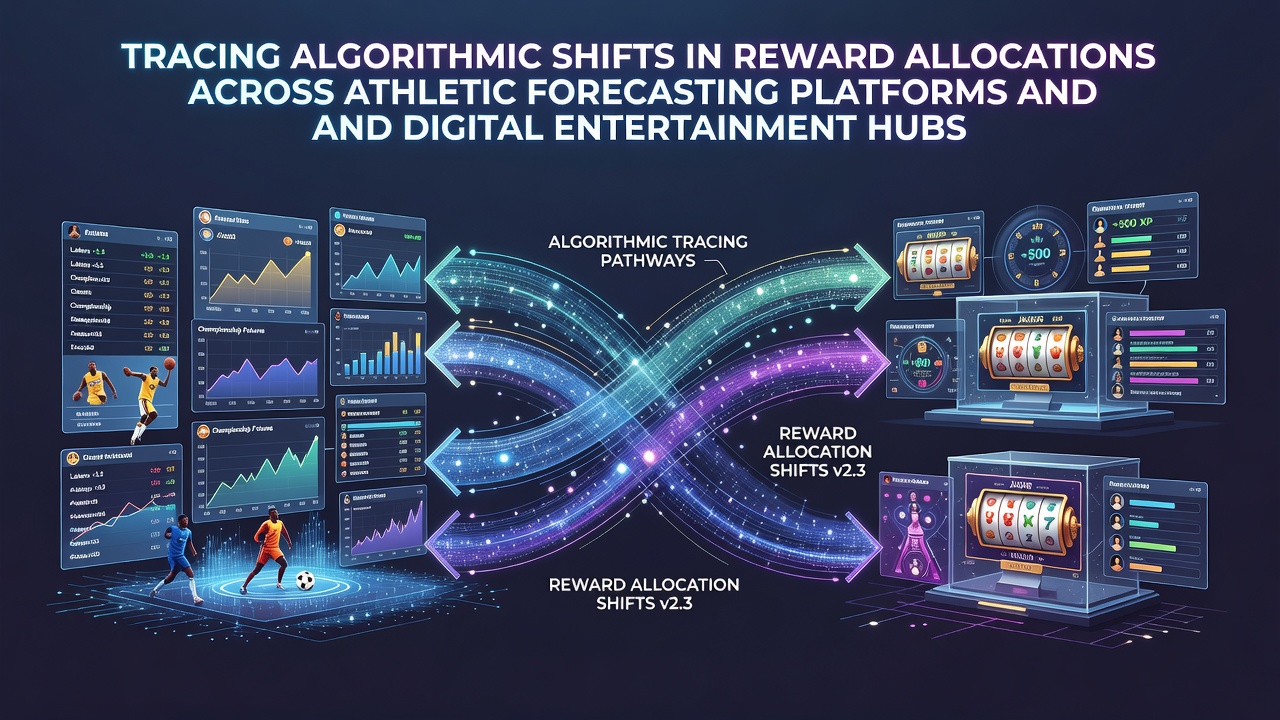
Tracing Algorithmic Shifts in Reward Allocations Across Athletic Forecasting Platforms and Digital Entertainment Hubs
Algorithmic systems now determine how rewards flow through athletic forecasting platforms and digital entertainment hubs, with allocation models evolving rapidly since 2024 as data inputs expand and regulatory frameworks tighten across multiple jurisdictions. These platforms process user behavior, event outcomes, and market signals through layered machine learning layers that adjust bonus structures, loyalty points, and payout multipliers in real time, shifting away from static percentage-based systems that dominated earlier versions.
Foundational Changes in Data Integration
Early algorithmic reward models relied on fixed variables such as deposit volume and session length, yet by mid-2025 many operators incorporated live event feeds and cross-platform activity logs to refine distributions. Researchers tracking these transitions note that athletic forecasting sites began weighting predictive accuracy metrics more heavily while digital entertainment hubs prioritized retention sequences derived from game completion rates. This integration created feedback loops where reward tiers adjusted within minutes of new data arrivals rather than at daily or weekly intervals.
Regional Regulatory Influences on Allocation Logic
European operators adjusted their algorithms following updates from the Malta Gaming Authority, which emphasized transparency in bonus calculations, whereas Canadian provincial regulators required clearer documentation of how odds fluctuations affect reward eligibility. In Australia the focus shifted toward responsible allocation limits that cap automated bonuses based on play patterns identified through behavioral analytics. These requirements prompted platform developers to embed audit trails directly into reward engines so that allocation decisions could be reviewed against jurisdiction-specific rules without manual intervention.
Implementation Patterns Observed in 2026
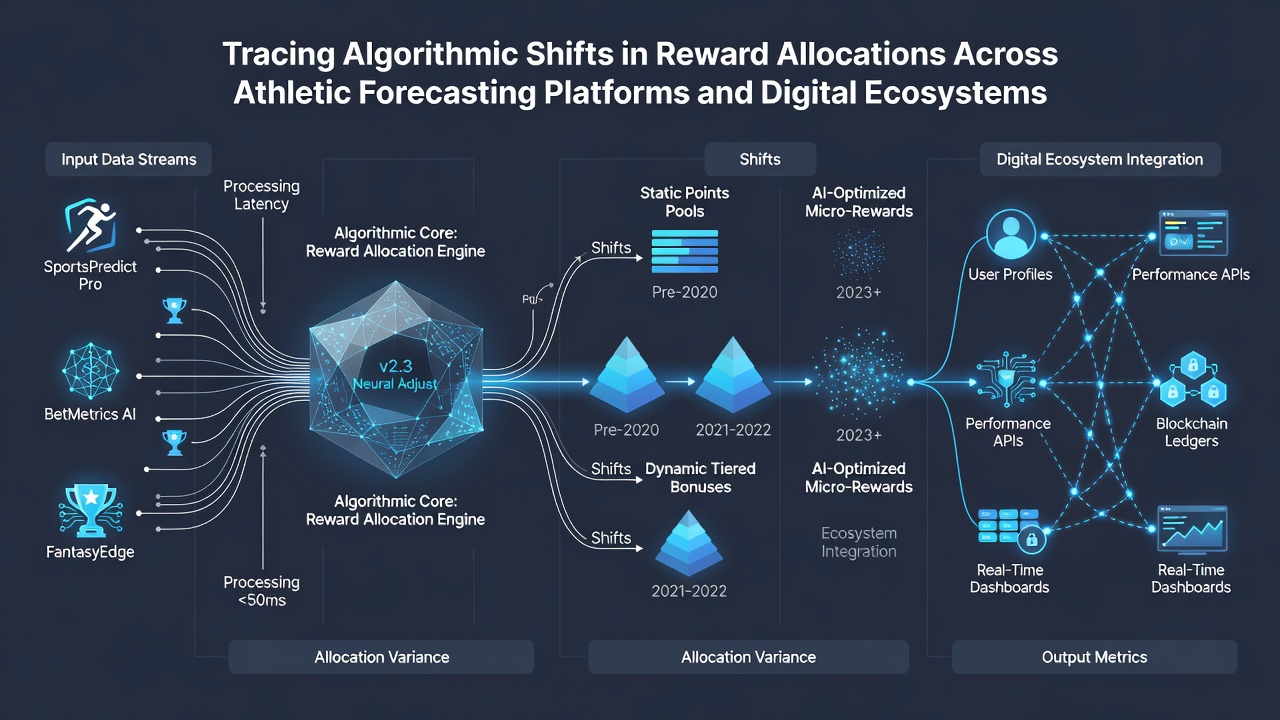
By August 2026 several major athletic forecasting platforms had deployed dynamic reward engines that recalibrate loyalty accruals according to forecast precision scores, while digital entertainment hubs introduced segmented reward pools that distribute promotional credits based on aggregated user cohort performance. One documented case involved a multi-state operator that linked casino reward multipliers to sports event volatility indices, resulting in automated adjustments during high-traffic periods such as international tournaments. Data from industry tracking shows these shifts reduced average reward latency from hours to under thirty seconds in many deployments.
Cross-Platform Reward Synchronization
Operators managing both athletic forecasting and entertainment services increasingly synchronize reward ledgers through shared algorithmic cores that recognize activity across verticals. A user completing accurate event predictions on one platform might receive accelerated point accumulation when transitioning to casino-style games on a linked hub, with the system applying weighted multipliers derived from historical correlation patterns. According to figures released by the European Gaming and Betting Association these synchronized models now cover over 60 percent of tracked multi-product operators in participating markets.
Technical Components Driving the Shifts
Reinforcement learning modules form the core of current allocation systems, continuously testing reward scenarios against retention and revenue targets while respecting compliance boundaries. Natural language processing layers analyze user communications for sentiment signals that influence bonus eligibility in select implementations, and graph-based analytics map social connections to detect coordinated play that might affect reward fairness. These components operate within containerized environments that allow rapid deployment of updated logic without full system restarts, enabling operators to respond to emerging patterns within single market cycles.
Measurement and Reporting Practices
Platforms publish periodic summaries of reward distribution metrics that detail average allocation values, tier migration rates, and variance across user segments. Academic studies from institutions such as the University of Nevada Las Vegas have examined how these metrics correlate with broader participation trends, providing external benchmarks that operators reference when refining their models. Reports indicate that algorithmic transparency features, including user-accessible reward calculators, appear more frequently as competitive differentiators in both athletic forecasting and digital entertainment sectors.
Conclusion
The ongoing tracing of algorithmic shifts reveals a landscape where reward allocations in athletic forecasting platforms and digital entertainment hubs respond to increasingly granular data streams and layered regulatory expectations. Continued development centers on balancing responsiveness with auditability, as operators refine engines that process simultaneous inputs from event outcomes, user cohorts, and compliance requirements. These systems continue to evolve through iterative updates that incorporate new data sources while maintaining alignment with regional standards observed through August 2026.